Nutrition science has evolved dramatically over the past decade. Modern dietary guidelines focus on whole foods, gut health, and personalized approaches to eating that consider individual genetics, lifestyle, and goals.
The Foundation: Whole Foods First
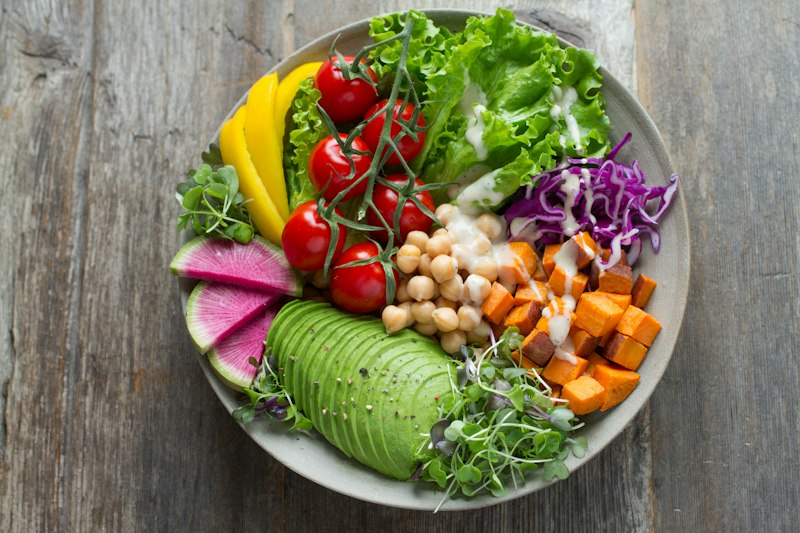
The most consistent finding across decades of nutritional research is simple: diets built around minimally processed whole foods support better health outcomes than those dominated by ultra-processed products. This means vegetables, fruits, legumes, whole grains, nuts, seeds, and quality proteins.
Understanding Macronutrients
Carbohydrates, proteins, and fats all play essential roles. The key is quality over elimination. Complex carbohydrates from vegetables and legumes behave very differently from refined sugars. Healthy fats from avocados, olive oil, and fatty fish support brain function and hormone production.
The Gut Microbiome
Research now firmly links gut health to immunity, mental wellbeing, and metabolic function. Fermented foods — yogurt, kefir, kimchi, sauerkraut — and high-fiber plants feed beneficial bacteria, creating a virtuous cycle of health.
Practical Tips
Meal prep on Sundays. Keep healthy snacks visible. Drink water before meals. Cook at home at least five days per week. These habits, consistently applied, produce profound long-term results.